Read More
Introduction
Documenting Impact
We document our work to share lessons learned and demonstrate practical results.
Each project includes:
Objective 100%
Approach 100%
Activities 100%
Results 100%
Lessons learned 100%
Example:
A pilot initiative demonstrating improved efficiency and operational performance.
Climate-Smart Agriculture Training for Citrus and Date Palm Farmers in the Jordan Valley
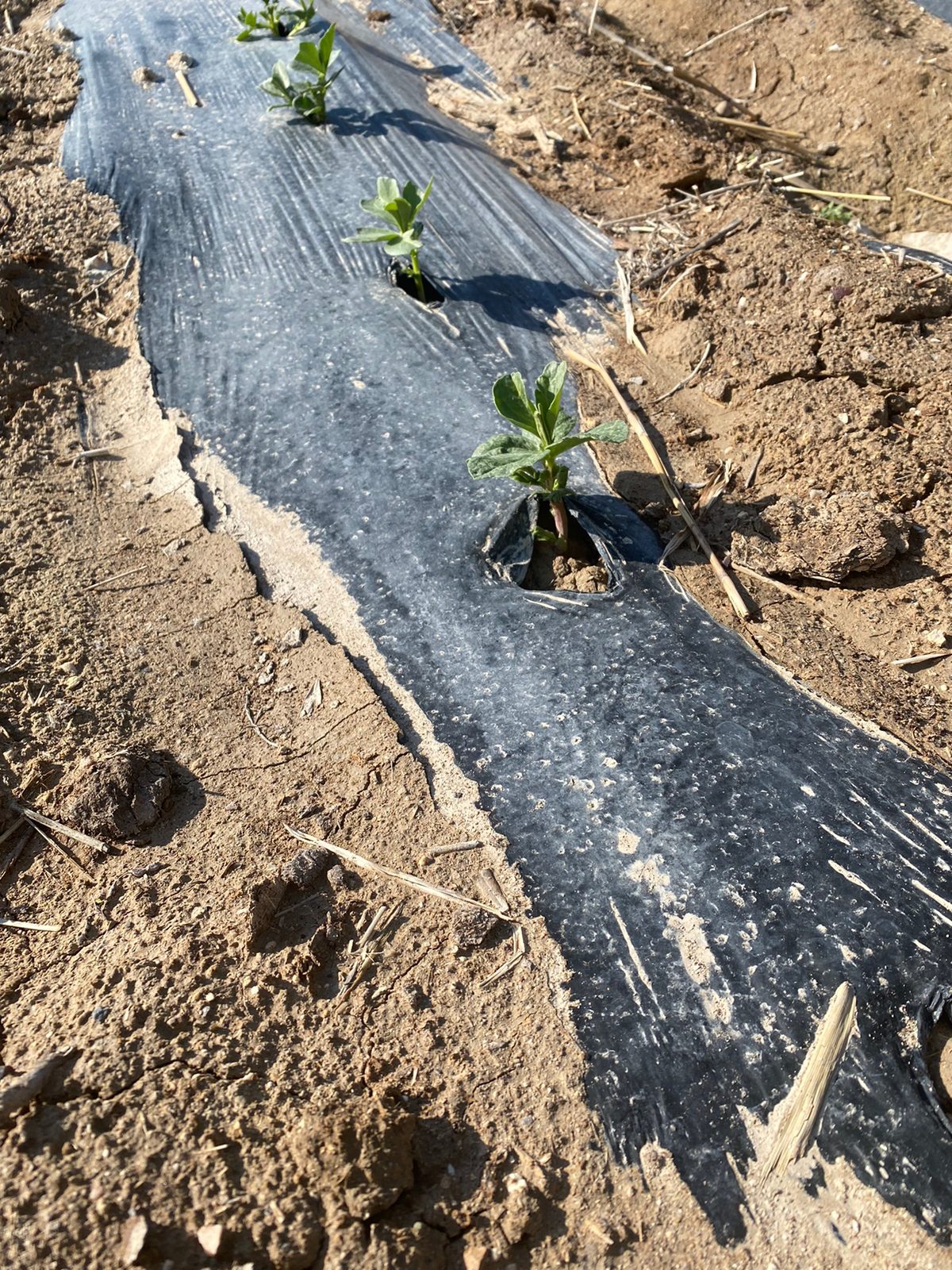
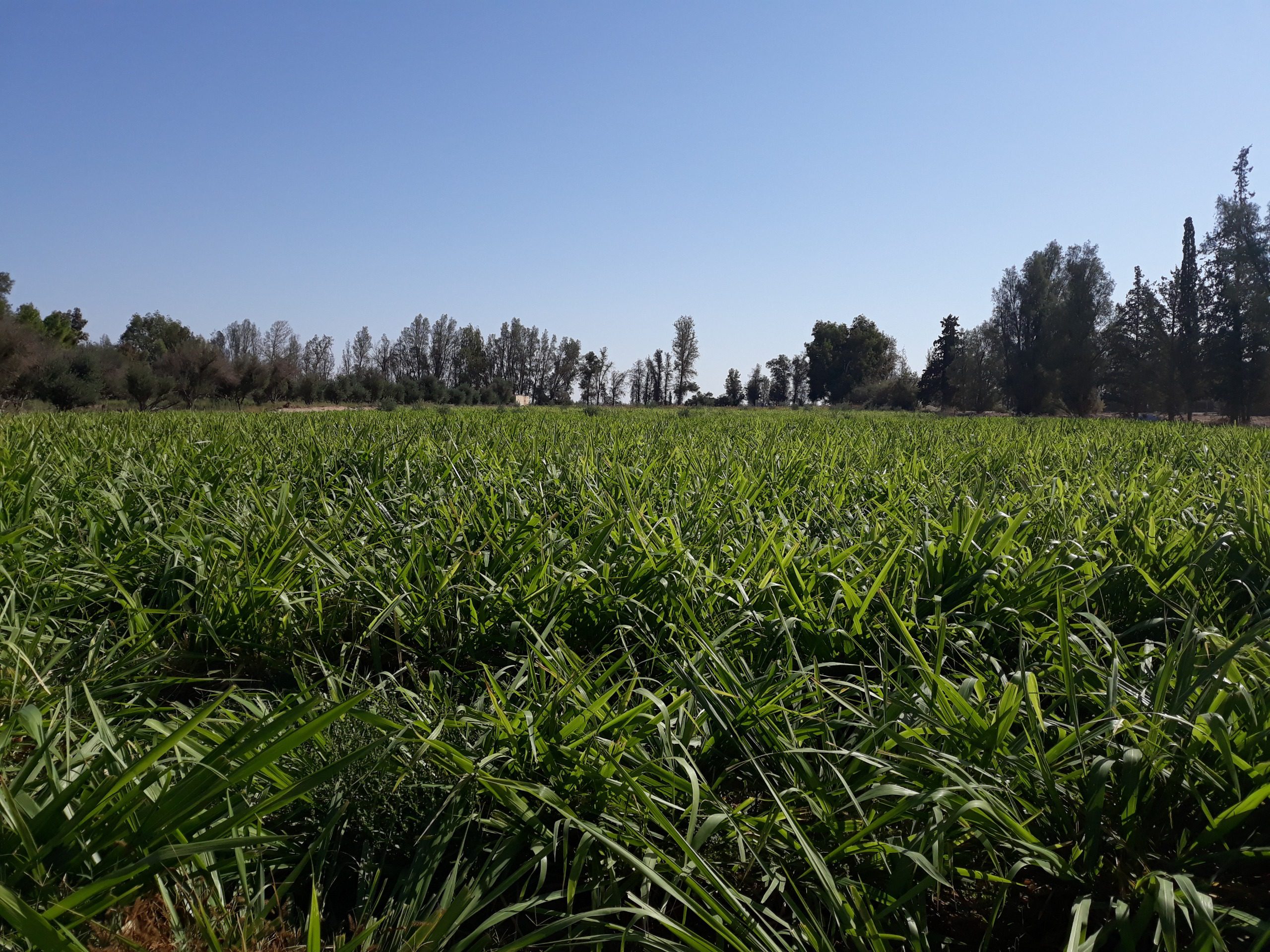
We implemented a comprehensive capacity-building program to strengthen farmers’ resilience to climate change in the Jordan Valley, focusing on citrus and date palm production systems. The program targeted farmers in the Northern Jordan Valley and the Southern Ghor and aimed to enhance knowledge and practical skills related to climate-smart irrigation, soil fertility management, and sustainable crop management practices.
The training program was designed based on field observations and consultations with farmers, which highlighted increasing climate pressures in the region, including rising temperatures, water scarcity, higher evapotranspiration rates, and declining crop productivity. In response, we developed practical training modules covering irrigation scheduling, fertigation management, nutrient management, integrated pest management (IPM), and water-efficient farming practices.
Training sessions combined technical instruction with participatory discussions where farmers shared their experiences and observations regarding climate impacts on citrus and date production. The program also introduced improved farm management practices that enhance irrigation efficiency and crop resilience, including improved nutrient management, better irrigation uniformity, and climate-adaptive agronomic practices.
Through this project, farmers gained practical knowledge on how to optimize water use, maintain soil health, and adapt production systems to changing climatic conditions. The program contributes to strengthening climate resilience in the Jordan Valley agricultural sector while supporting sustainable water management in one of Jordan’s most water-stressed regions.
Supporting Ecosystem Actors in the Agricultural Innovation Sector
We developed and implemented an initiative to support innovation and entrepreneurship within the agricultural sector by working with small and medium-sized enterprises (SMEs), innovators, and business support organizations to strengthen the development and scaling of sustainable Agri-Tech solutions. The work focused on strengthening the connections between technology providers, market actors, and agricultural stakeholders to facilitate the adoption of solutions that enhance productivity while reducing environmental impacts.
Through targeted technical and advisory support, we worked closely with Agri-Tech innovators and SMEs to refine their products and services, strengthen their business models, and better align their solutions with market needs. Particular attention was given to technologies that improve resource efficiency, enhance water management, reduce environmental footprints, and contribute to more resilient agricultural production systems.
The initiative combined ecosystem engagement, capacity building, and technical advisory services. Activities included conducting needs assessments with SMEs and ecosystem actors, delivering training on sustainable and circular business models, providing advisory support for product and service development, and facilitating collaboration between technology developers, agricultural stakeholders, and innovation support organizations.
Through this work, we contributed to strengthening the agricultural innovation ecosystem and supporting the development of viable Agri-Tech solutions that address key challenges in sustainable agriculture, water efficiency, and climate resilience.
Supporting NGOs in Jordan to Integrate Climate and Environmental Sustainability
We supported non-governmental organizations (NGOs) in Jordan to integrate climate and environmental sustainability into their programs, operations, and institutional systems. The objective of this work was to ensure that environmental considerations are systematically embedded in project design, implementation, and monitoring processes across different development initiatives.
As part of this effort, we developed a set of tailored tools and guidance documents to support organizations in incorporating climate and environmental considerations into their work. These tools included a climate-focused concept development template, an environmental considerations and principles checklist for program staff, and climate-related Key Performance Indicators (KPIs) designed to track environmental performance and climate-related impacts.
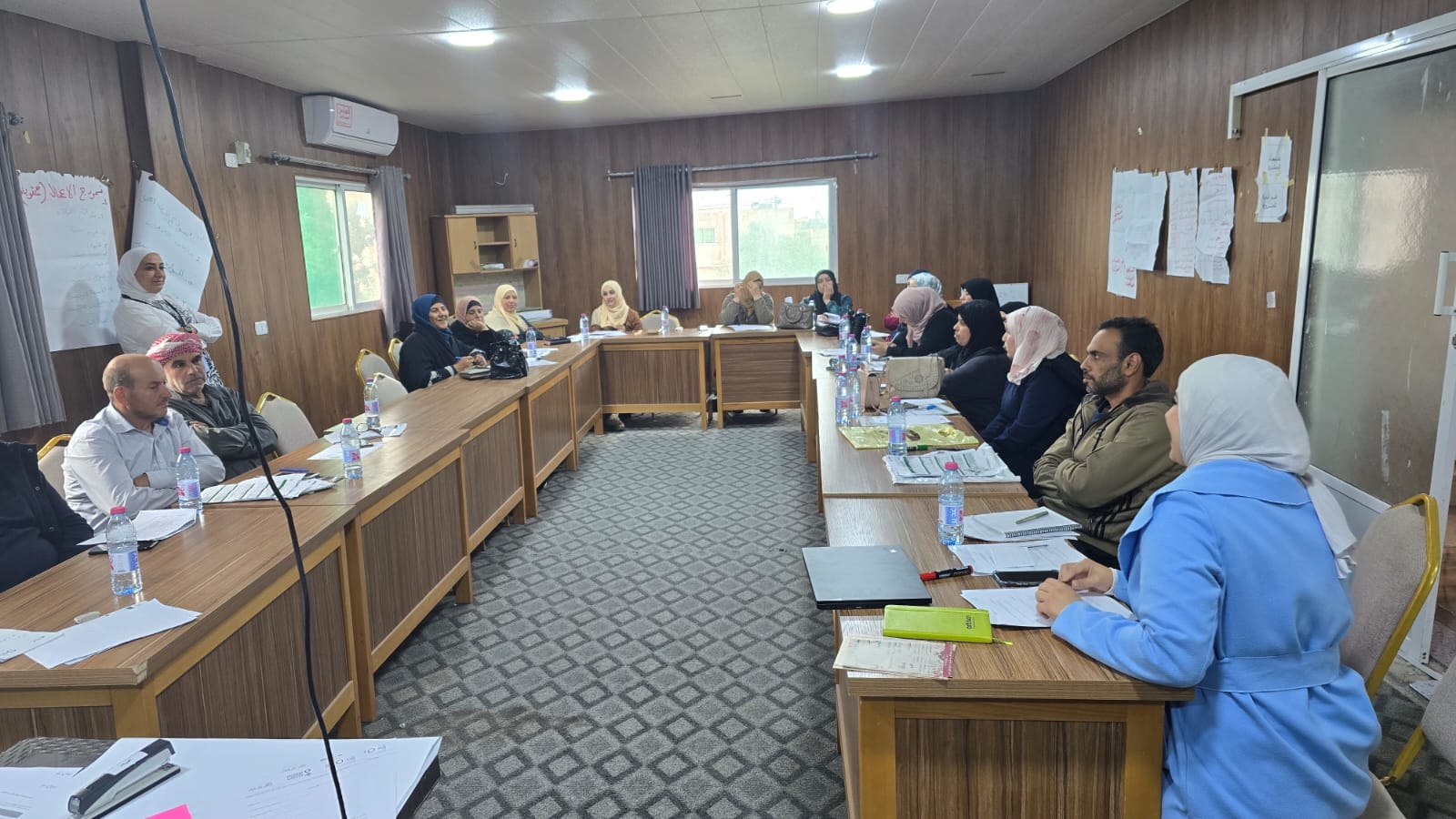
In parallel, we delivered training sessions to build the capacities of NGO staff in applying these tools and integrating climate considerations into program planning and implementation. The training focused on strengthening organizations’ ability to assess environmental risks, identify opportunities for climate-responsive interventions, and enhance the sustainability of their projects.
Through this work, we helped organizations strengthen their institutional capacity to design and implement programs that address climate challenges while supporting sustainable development across sectors such as agriculture, water management, community resilience, and social development.
OUR
Projects
Supporting NGOs in Jordan to Integrate Climate and Environmental Sustainability
We supported non-governmental organizations (NGOs) in Jordan to integrate climate and environmental sustainability into their…
Read More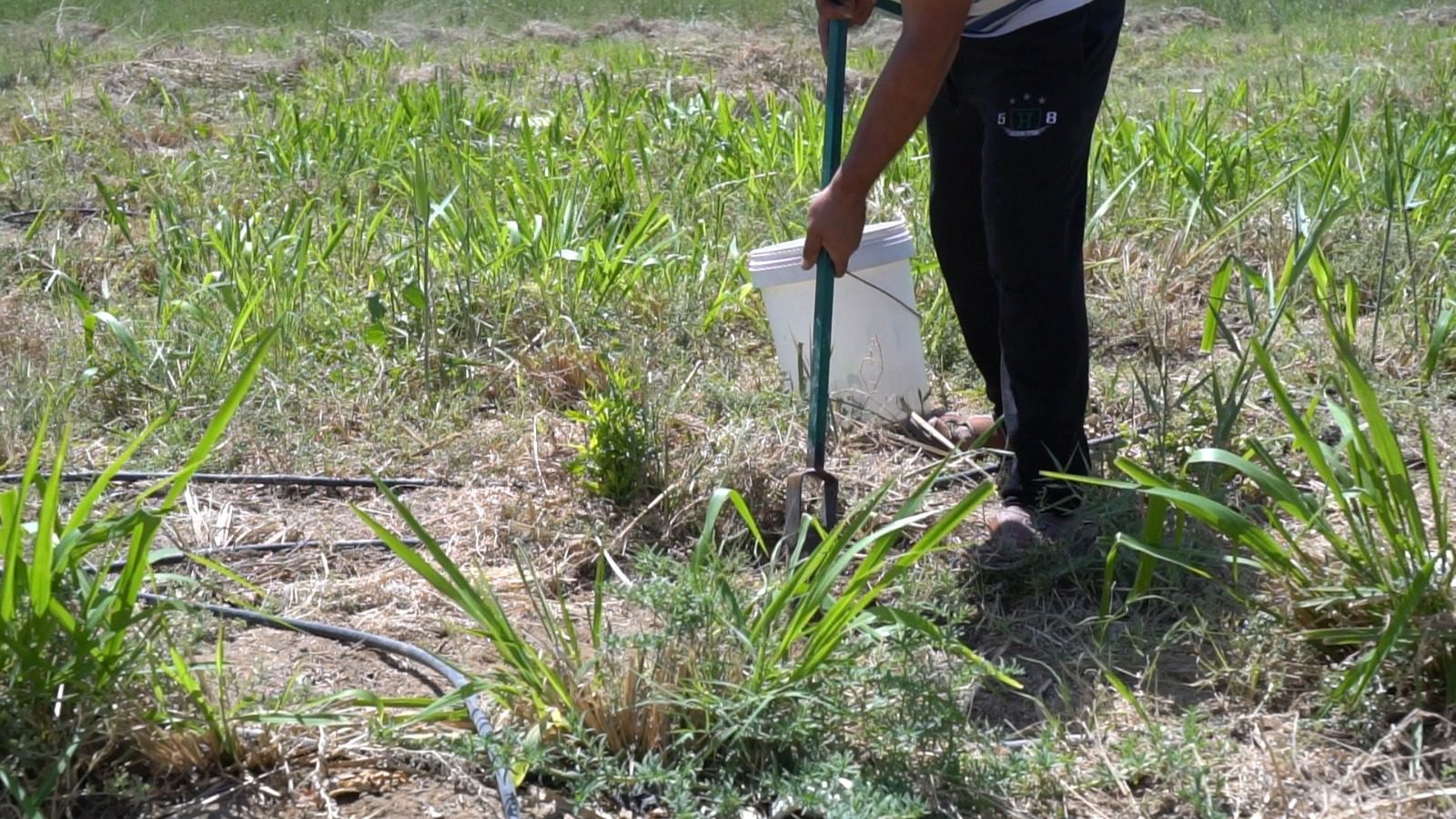
Supporting Ecosystem Actors in the Agricultural Innovation Sector (SMEs)
We developed and implemented an initiative to support innovation and entrepreneurship within the agricultural sector…
Read More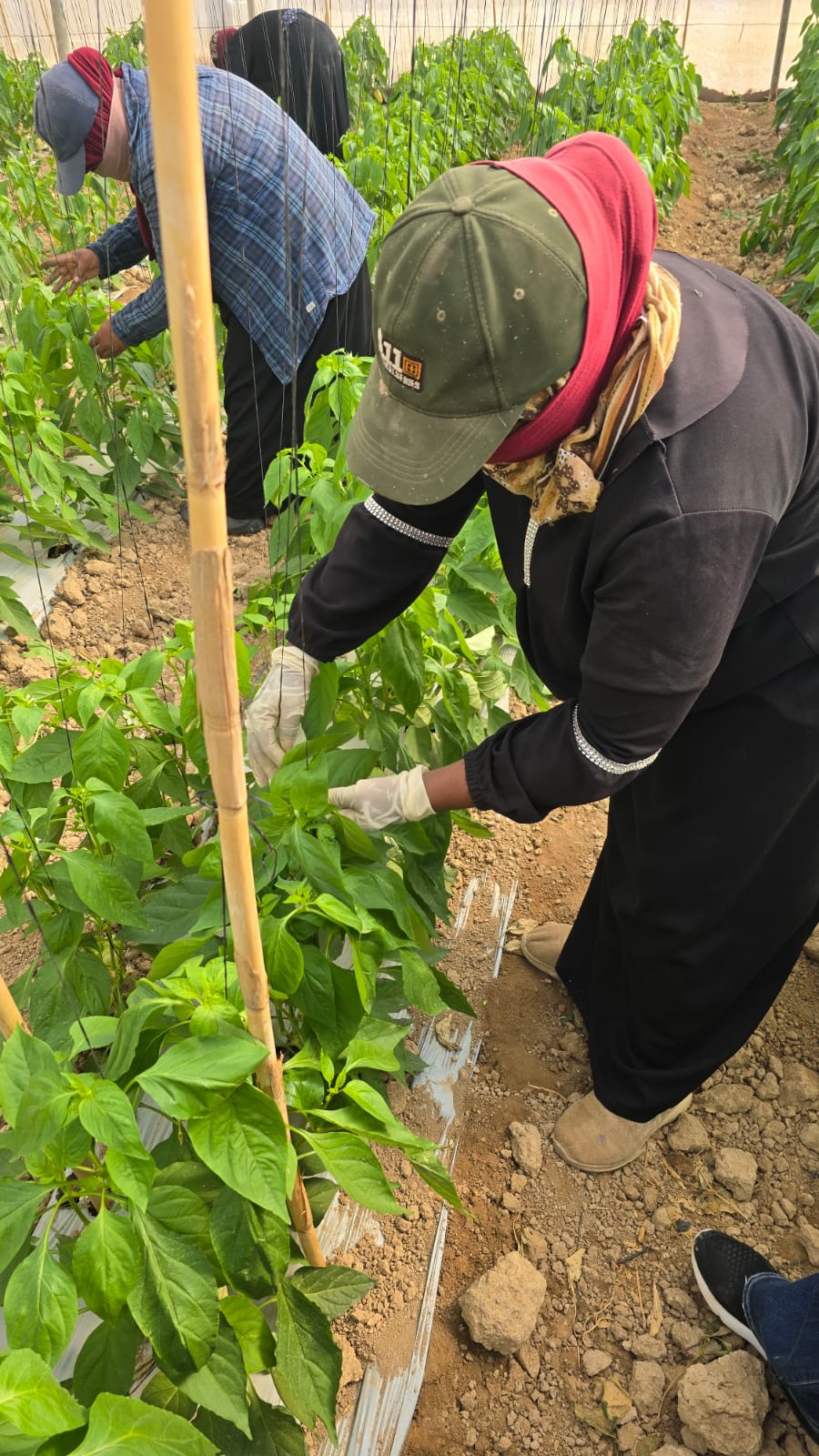
Climate-Smart Agriculture Training for Citrus and Date Palm Farmers in the Jordan Valley
We implemented a comprehensive capacity-building program to strengthen farmers’ resilience to climate change in the…
Read More